
 Русский
  English
  Deutsch
  Español
  العربية
  中文
中文  Türkçe
  Français
  Italiano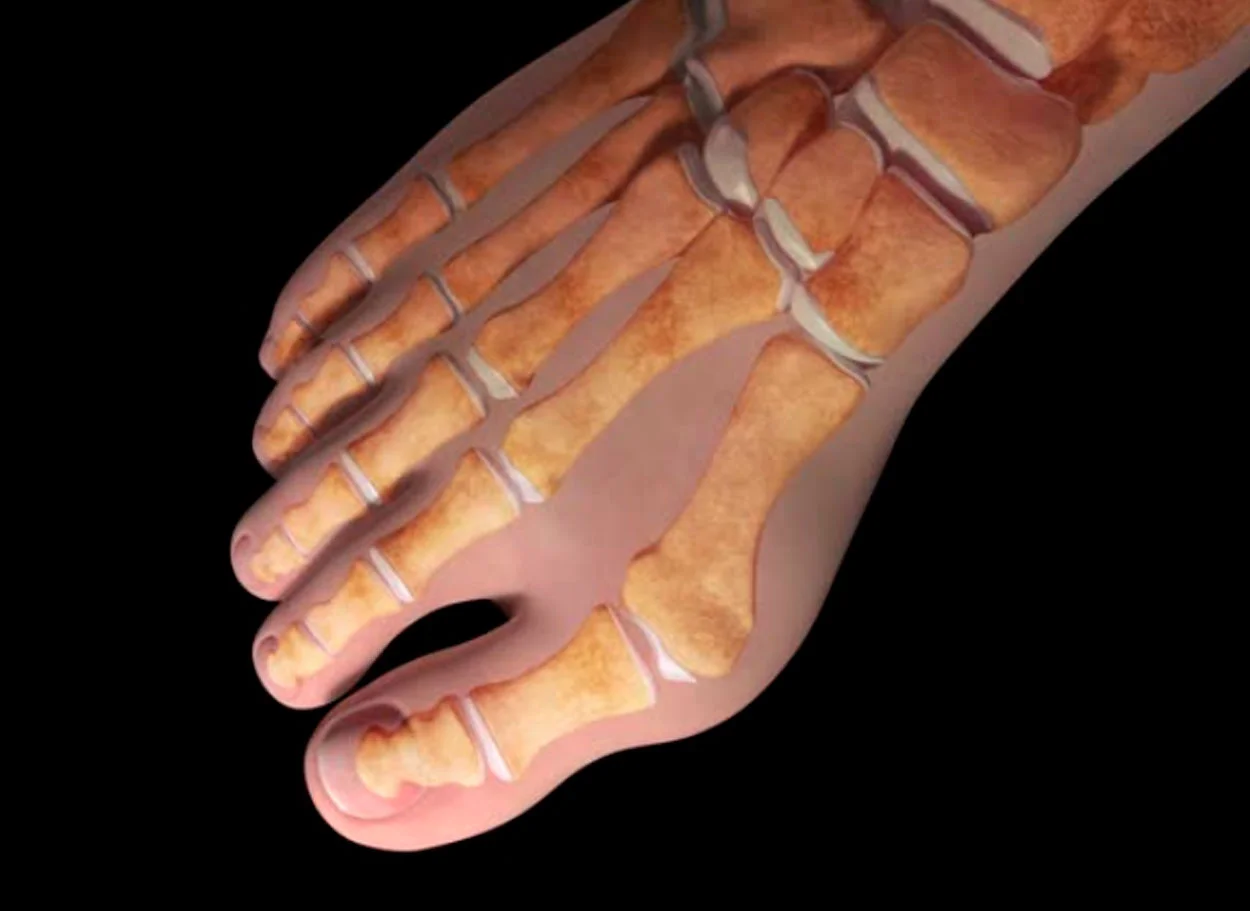
What is Hallux valgus?
Hallux valgus (hallux valgus deformity of the first toe) is the deviation of the big toe outward with simultaneous deviation of the first metatarsal bone inward. A characteristic "bunion" (exostosis) forms at the base of the toe — bursitis of the first metatarsophalangeal joint.
This is the most common deformity of the forefoot, affecting up to 23% of adults and up to 35% of people over 65 years old. Women suffer 10-15 times more often than men.
Degrees of deformity (HVA angle):
- Mild — HVA angle 15-20°, minimal symptoms
- Moderate — HVA angle 20-40°, pain when walking, difficulty with footwear
- Severe — HVA angle >40°, subluxation of the joint, osteoarthritis
Associated problems:
- Osteoarthritis of the first metatarsophalangeal joint (Hallux rigidus)
- Bursitis (inflammation of the "bunion")
- Metatarsalgia (pain in the forefoot)
- Hammertoe deformity of toes 2-3
- Calluses and corns
Facts about Hallux valgus
- ICD-10: M20.1
- Prevalence: 23% of adults
- Over 65: up to 35%
- Gender: women 10-15 times more often
- Surgeries: 200,000+/year in Germany
- Recurrence after surgery: 10-30%
Symptoms of Hallux valgus
Early signs
- Redness and swelling at the base of the big toe
- Discomfort when wearing shoes
- Slight deviation of the toe outward
- Periodic pain after prolonged walking
Progression
- Constant pain when walking
- Increase in the "bunion" (exostosis)
- Inability to wear regular shoes
- Bursitis — inflammation of the bursa
- Deformity of toes 2-3 (hammertoe)
Late stages
- Severe First Metatarsophalangeal Joint Osteoarthritis
- Joint Rigidity (Hallux Rigidus)
- Metatarsalgia — Pain in the Forefoot
- Calluses and Corns
- Gait and Posture Disturbance
Osteotomy vs regenerative treatment
| Criterion | Osteotomy (Chevron, Scarf) | Orthopedic Insoles | Regenerative treatment |
|---|---|---|---|
| Principle | Bone cutting and fixation with screws | Arch support, load redistribution | Cartilage regeneration and inflammation elimination |
| Anesthesia | General / Spinal | None | Without anesthesia |
| Hospitalization | 1-3 days | None | None — home same day |
| Rehabilitation | 6-12 weeks (special footwear) | None | Several days |
| Pain Relief | ✅ Yes (after healing) | Partial | ✅ Yes — within days |
| Recurrence | 10-30% | Does not treat | Low |
| Both Feet Simultaneously | ❌ One foot only | ✅ Yes | ✅ Yes |
How Regenerative Methods Treat Hallux Valgus
Regenerative treatment is effective for pain syndrome and first metatarsophalangeal joint osteoarthritis accompanying Hallux Valgus. The method does not change the bone deformity angle, but eliminates pain, inflammation, and regenerates joint cartilage.
Diagnosis
X-rays and ultrasound assess the degree of deformity, joint cartilage condition, presence of bursitis and osteoarthritis. Indications for regenerative therapy are determined.
Obtaining Concentrates
CGF — powerful anti-inflammatory factors to eliminate bursitis. MFAT — stem cells for regeneration of metatarsophalangeal joint cartilage.
Injection into the Joint
Under ultrasound guidance, concentrates are injected into the first metatarsophalangeal joint cavity, into the inflamed bursa, and into surrounding soft tissues (capsule, ligaments).
Regeneration and Pain Relief
Elimination of bursitis and inflammation — within the first days. Effect on cartilage tissue. Significant pain reduction and improved foot function, allowing you to avoid or delay surgery.
Why regenerative treatment is Effective for Hallux Valgus
Pain in Hallux Valgus is caused not by the "bunion" itself, but by bursitis and first metatarsophalangeal joint osteoarthritis. Osteotomy corrects the axis but does not regenerate cartilage. Regenerative treatment eliminates bursa inflammation (CGF — more powerful than steroids, without side effects) and initiates cartilage regeneration (MFAT — stem cells differentiate into chondrocytes). The result — pain elimination and restoration of joint function without bone cutting.
Regenerative method Advantages
A broad range of indications
Regenerative methods are used for many orthopaedic and spinal conditions. Some cases still call for surgery.
No anesthesia or incisions
Outpatient treatment via 0.3-1.5 mm puncture. No general anesthesia or hospitalization.
No age restrictions
Regeneration at any age. Safe for chronic conditions and anesthesia intolerance.
Rapid improvement
Concentrates have analgesic and anti-inflammatory properties. Relief within days.
Multiple zones at once
Simultaneous treatment of multiple discs or joints in one procedure.
Home the same day
No crutches, braces or rehabilitation needed. MRI follow-up at 8-16 weeks.
Regenerative treatment Technology

Navigation system
Intraoperative robotic navigation system. Provides precise access to deep structures with 1 mm and 1 degree accuracy.
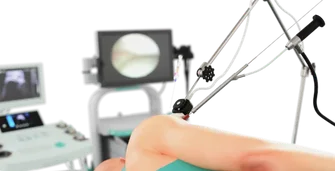
Ultrasound guidance
Device for intervention under sonographic control. Eliminates open surgeries with real-time visual monitoring.
Frequently Asked Questions About Hallux Valgus Treatment
Clinic and method matching — free of charge
Describe your case and attach your MRI report. We will identify clinics that use the relevant methods and forward your request to them. No obligation; we reply within two working days.
Send a request