 Русский
  English
  Deutsch
  Español
  العربية
  中文
中文  Türkçe
  Français
  Italiano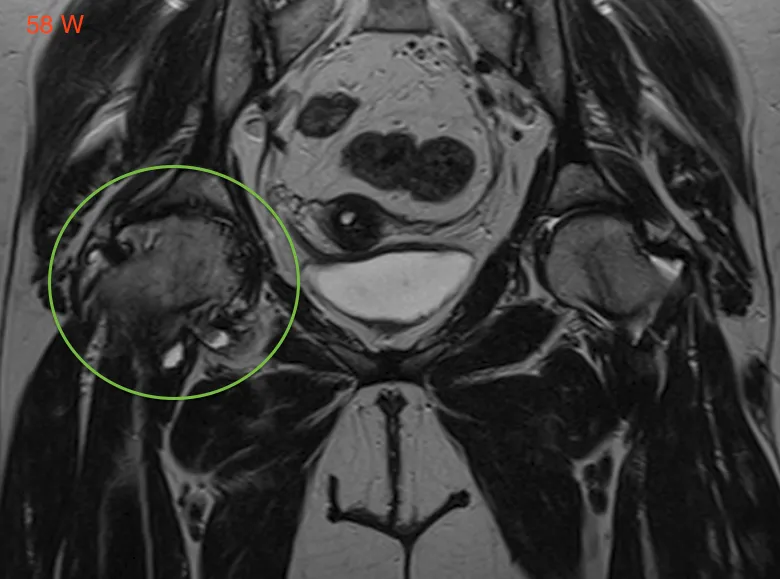
Knee Joint Diseases
Gonarthrosis
Knee joint arthrosis — cartilage degeneration with pain, swelling, and limited mobility. Most common cause of knee replacement.
Learn More About Treatment →Meniscus Tear
Tear of the medial or lateral meniscus. Pain, joint locking, clicking. Traditionally treated with arthroscopic resection.
Learn More About Treatment →Cruciate Ligament Injury
Tear of the anterior or posterior cruciate ligament. Joint instability, pain, swelling. Common sports injury.
Learn More About Treatment →Chondromalacia
Softening and destruction of patellar cartilage. Pain in the front of the knee during bending and climbing stairs.
Learn More About Treatment →Knee Synovitis
Inflammation of the synovial membrane. Swelling, pain, limited mobility, fluid accumulation in the joint.
Learn More About Treatment →Leg Axis Deformity
Varus (bow-legged) or valgus (knock-kneed) deformity. Uneven cartilage load, accelerated arthrosis.
Learn More About Treatment →Also Treated Using a regenerative method
- Patellofemoral syndrome
- Osgood-Schlatter disease
- Baker cyst
- Patellar tendinitis
- Plica syndrome
- Femoral condyle necrosis
Send MRI images for free treatment feasibility assessment.
Why regenerative treatment for the Knee
Your Own Joint
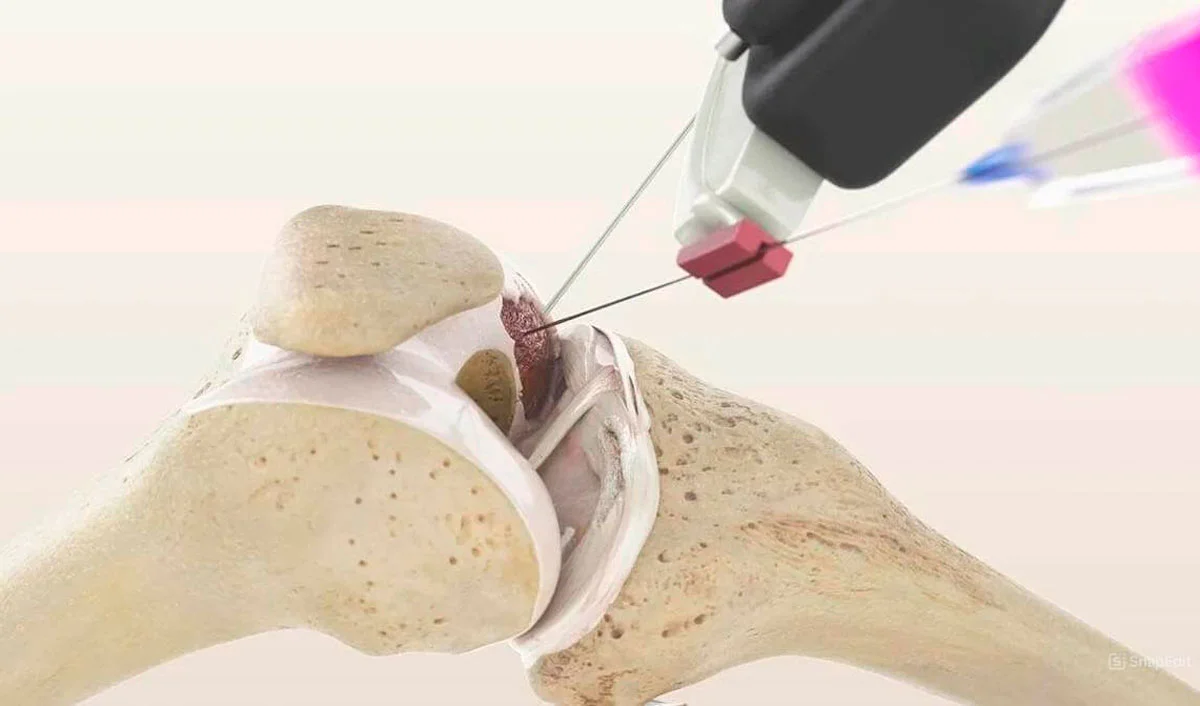
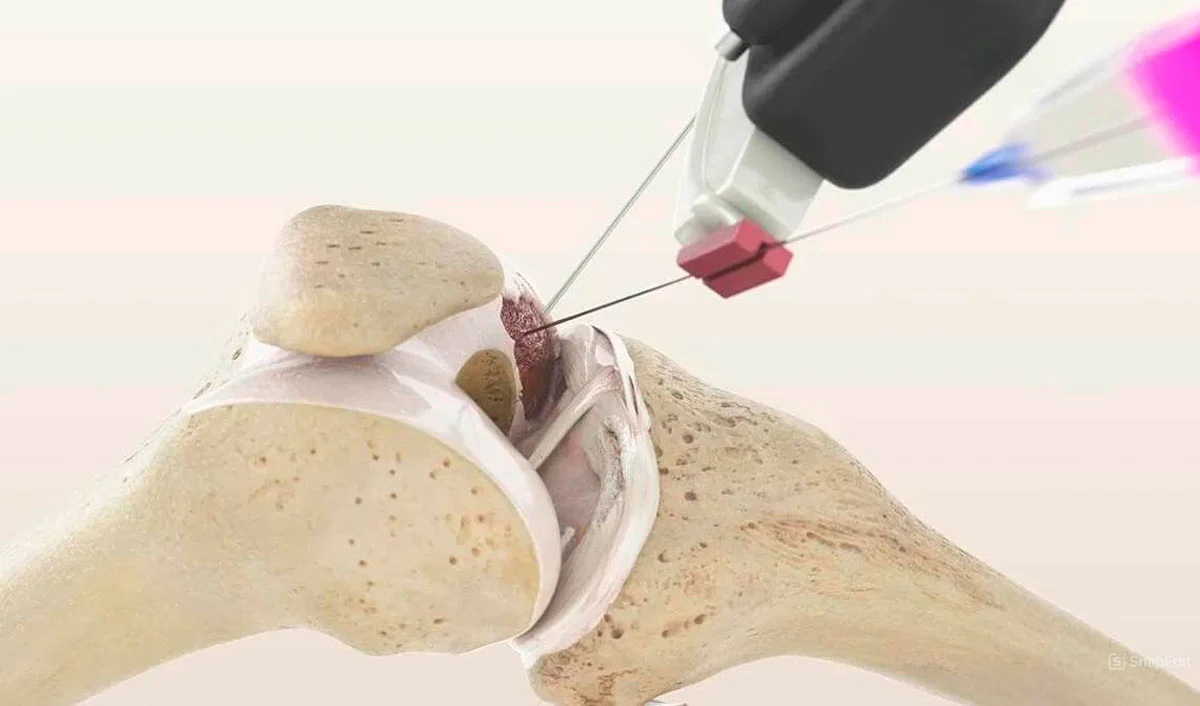
Regeneration of cartilage and menisci using stem cells. Preservation of the patient's own joint.
Without Arthroscopy
The meniscus is not removed but restored. The cartilage is not smoothed but regenerated.
Both Knees at Once
Both knee joints can be treated in one procedure — impossible with joint replacement.
No Crutches
Home the same day, full weight-bearing immediately. No crutches or months of rehabilitation.
Regenerative method Advantages
A broad range of indications
Regenerative methods are used for many orthopaedic and spinal conditions. Some cases still call for surgery.
No anesthesia or incisions
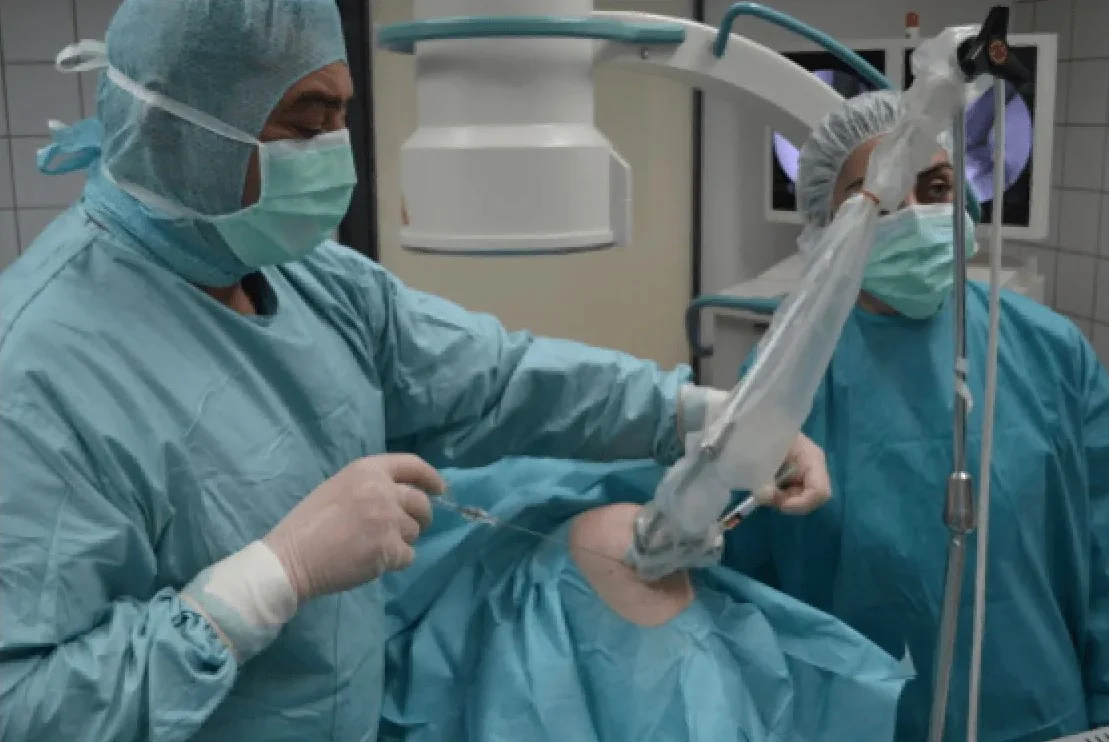
Outpatient treatment via 0.3-1.5 mm puncture. No general anesthesia or hospitalization.
No age restrictions
Regeneration at any age. Safe for chronic conditions and anesthesia intolerance.
Rapid improvement
Concentrates have analgesic and anti-inflammatory properties. Relief within days.
Multiple zones at once
Simultaneous treatment of multiple discs or joints in one procedure.
Home the same day
No crutches, braces or rehabilitation needed. MRI follow-up at 8-16 weeks.
Regenerative treatment Technology

Navigation system
Intraoperative robotic navigation system. Provides precise access to deep structures with 1 mm and 1 degree accuracy.
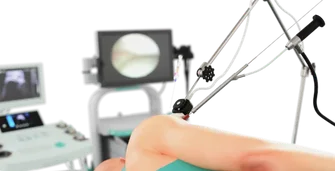
Ultrasound guidance
Device for intervention under sonographic control. Eliminates open surgeries with real-time visual monitoring.