
 Русский
  English
  Deutsch
  Español
  العربية
  中文
中文  Türkçe
  Français
  Italiano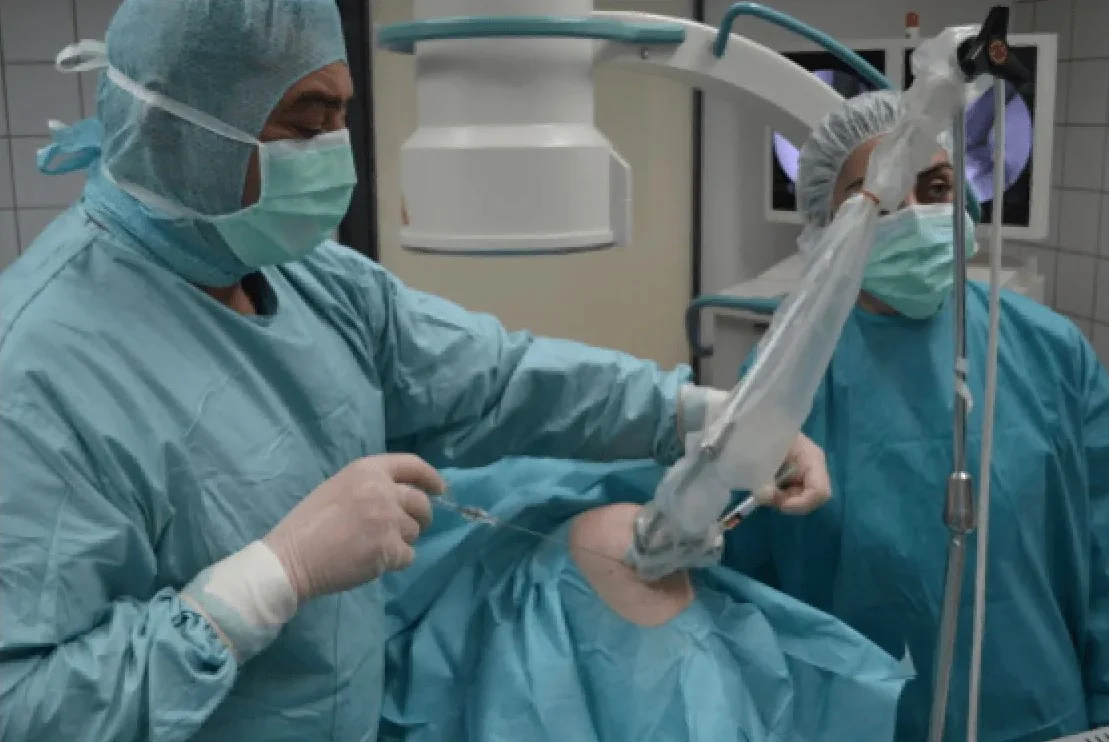
Stem cells are one of the most discussed topics in medicine. Marketing promises miracles, skeptics deny effectiveness. Where is the truth? We analyze scientific data.
Types of Stem Cells in Orthopedics
Not all stem cells are the same. In orthopedics, the following are used:
- Mesenchymal stem cells (MSCs) — from bone marrow, adipose tissue, umbilical cord blood
- Hematopoietic stem cells — from blood (CD34+)
- Stromal vascular fraction (SVF) — from adipose tissue
A regenerative method uses a combination: MFAT (MSCs from adipose tissue) + CGF (CD34+ from blood). This provides maximum regenerative potential.
What Does Evidence-Based Medicine Say?
A 2023 meta-analysis (Journal of Orthopaedic Research) included 47 randomized controlled trials with over 2,800 patients:
- MSCs showed statistically significant improvement in knee osteoarthritis stages I–III
- The effect lasted at least 24 months
- MSCs from adipose tissue showed better results than from bone marrow
- Combination of MSCs + growth factors outperformed monotherapy
Why Is the Delivery Method Important?
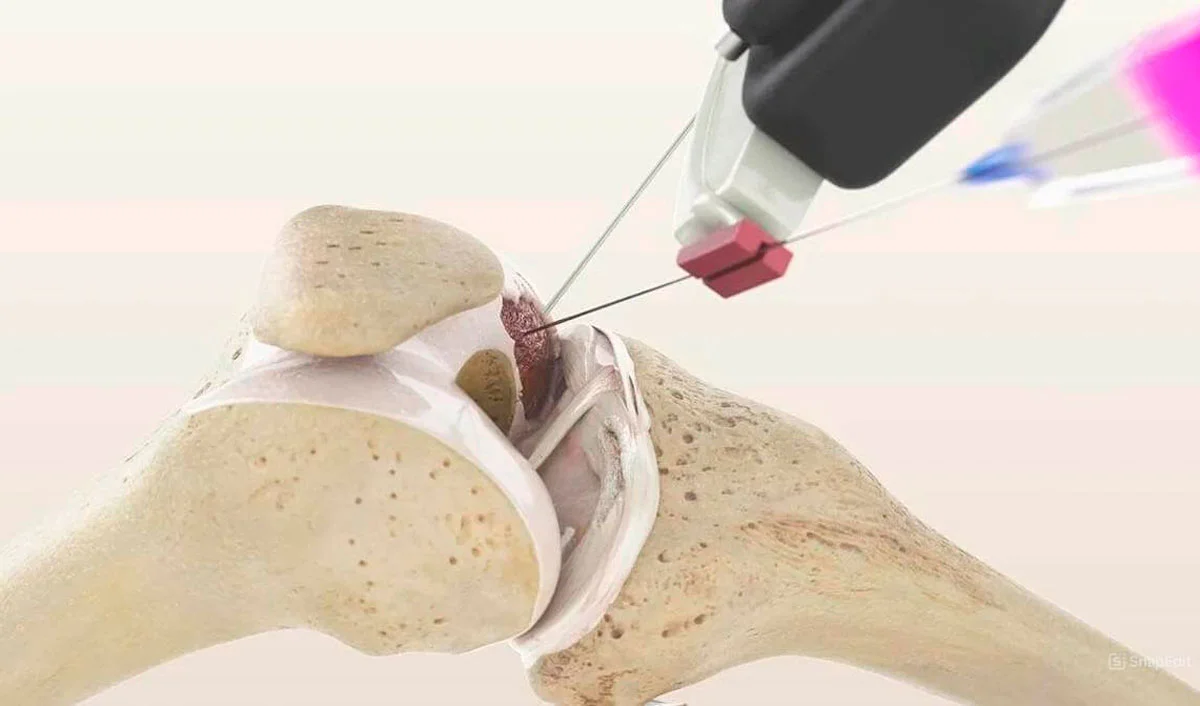
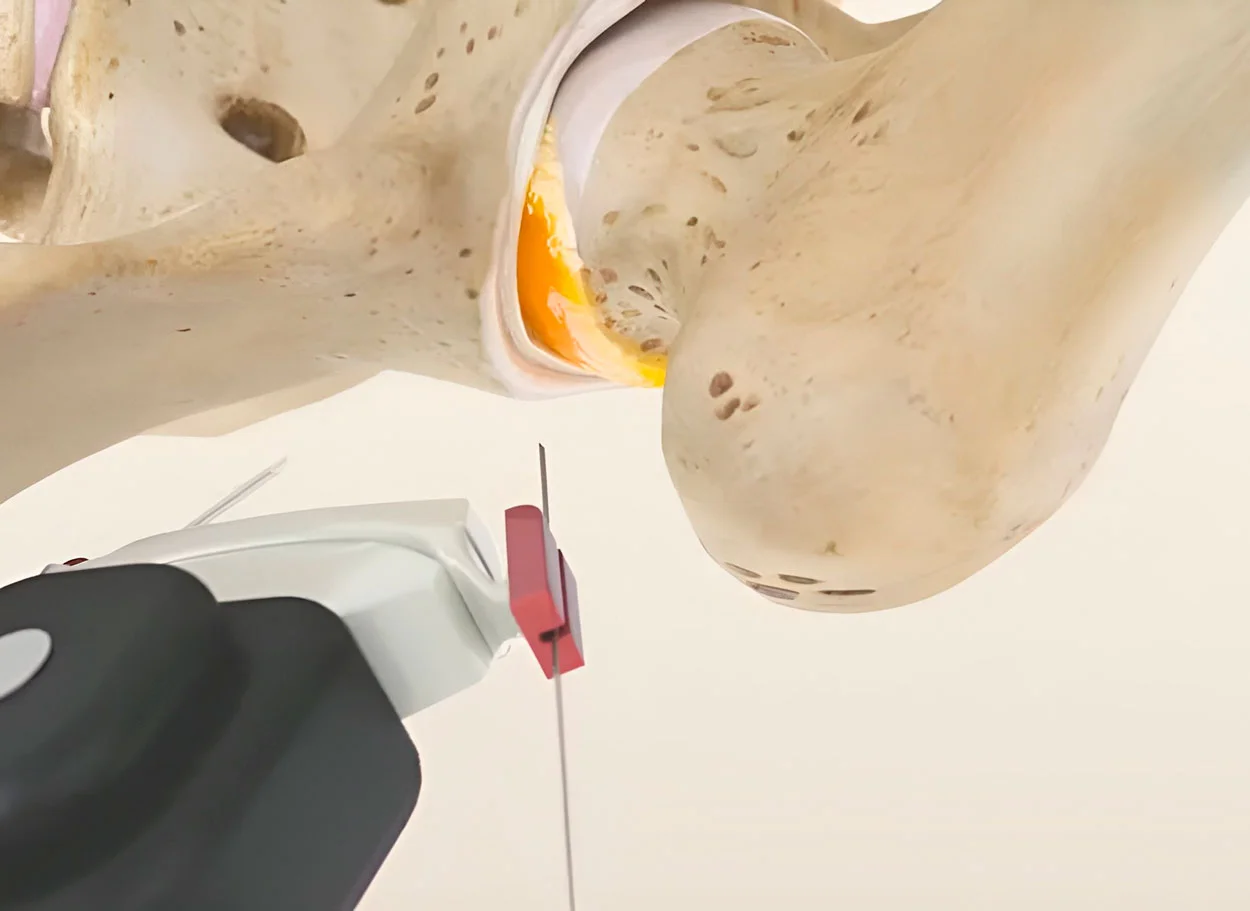
The effectiveness of stem cells directly depends on precise delivery to damaged tissues. Blind injection "into the joint" is a lottery. A regenerative method uses:
- Navigation system — 3D navigation with accuracy to 1 mm
- Ultrasound guidance — real-time ultrasound control
This ensures delivery of concentrates directly to the cartilage damage zone, not just into the joint cavity.
Why Does MFAT Outperform SVF and Bone Marrow?
Not all stem cell sources are equal:
- Bone marrow (BMAC) — painful harvest from the iliac crest. Contains 0.001-0.01% MSCs. After 40 years, the quantity drops sharply
- SVF (stromal vascular fraction) — requires enzymatic processing with collagenase, which damages cells. Legal restrictions in the EU
- MFAT — mechanical processing without enzymes. Preserves native microstructure of adipose tissue: pericytes, adipocytes, extracellular matrix. Concentration of viable MSCs is 100-500 times higher than in bone marrow
Related Articles

Realistic Expectations from Regenerative Treatment
- Osteoarthritis stages I-II: complete or significant cartilage regeneration in 85-95% of patients
- Osteoarthritis stage III: pain reduction and improved mobility are possible
- Osteoarthritis stage IV: symptomatic improvement, but complete regeneration unlikely
- Timeline: first improvement — 2-4 weeks, full effect — 3-6 months