
 Русский
  English
  Deutsch
  Español
  العربية
  中文
中文  Türkçe
  Français
  Italiano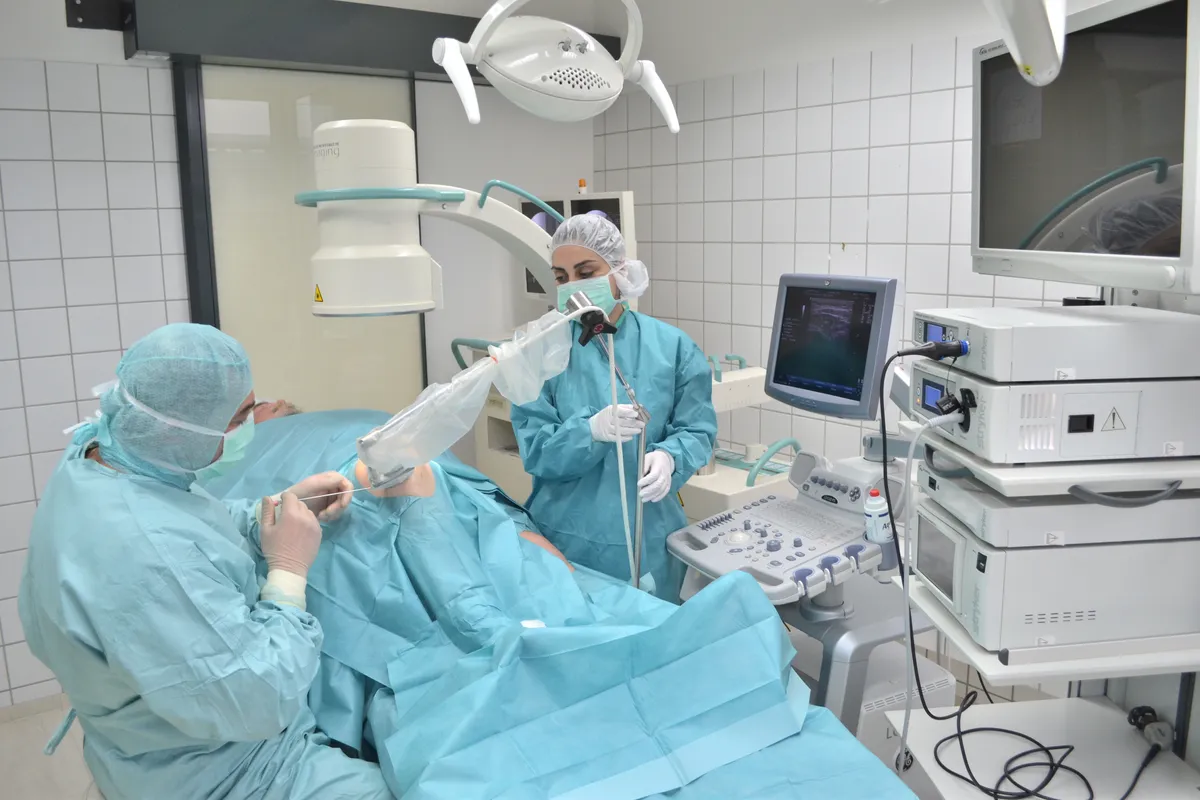
Regenerative medicine is a field that, instead of replacing damaged tissues with prosthetics, aims to restore them. It sounds like science fiction, but over the past 15 years, science has advanced enough to make this a reality. However, not everything called "regenerative" is equally effective.
Levels of Regenerative Medicine
Imagine a ladder — from simple to complex:
Level 1: PRP (Platelet-Rich Plasma)
A platelet concentrate is obtained from the patient's blood through centrifugation. Platelets release growth factors (PDGF, TGF-β, VEGF) that stimulate healing.
- What it treats: tendinopathies, ligament sprains, early-stage osteoarthritis
- Limitations: no stem cells, basic concentration of growth factors, blind delivery
- Effectiveness: 50-70% for soft tissues, significantly lower for cartilage
Level 2: CGF (Concentrated Growth Factors)
An advanced version of PRP. A special centrifugation protocol produces a fibrin matrix with growth factors at 5-10 times higher concentration than in PRP.
- What it treats: everything PRP does plus deeper tendon and cartilage damage
- Advantage: the fibrin matrix provides prolonged release of factors (up to 7-10 days vs 24 hours with PRP)
Level 3: Stem Cells (MFAT)
Mesenchymal stem cells (MSCs) from the patient's adipose tissue. Capable of differentiating into chondrocytes (cartilage), osteoblasts (bone), tenocytes (tendons).
- MFAT — patented technology for mechanical processing of adipose tissue. Preserves native microstructure: pericytes, adipocytes, extracellular matrix
- Advantage over bone marrow: MSC concentration is 100-500 times higher, harvest is less painful
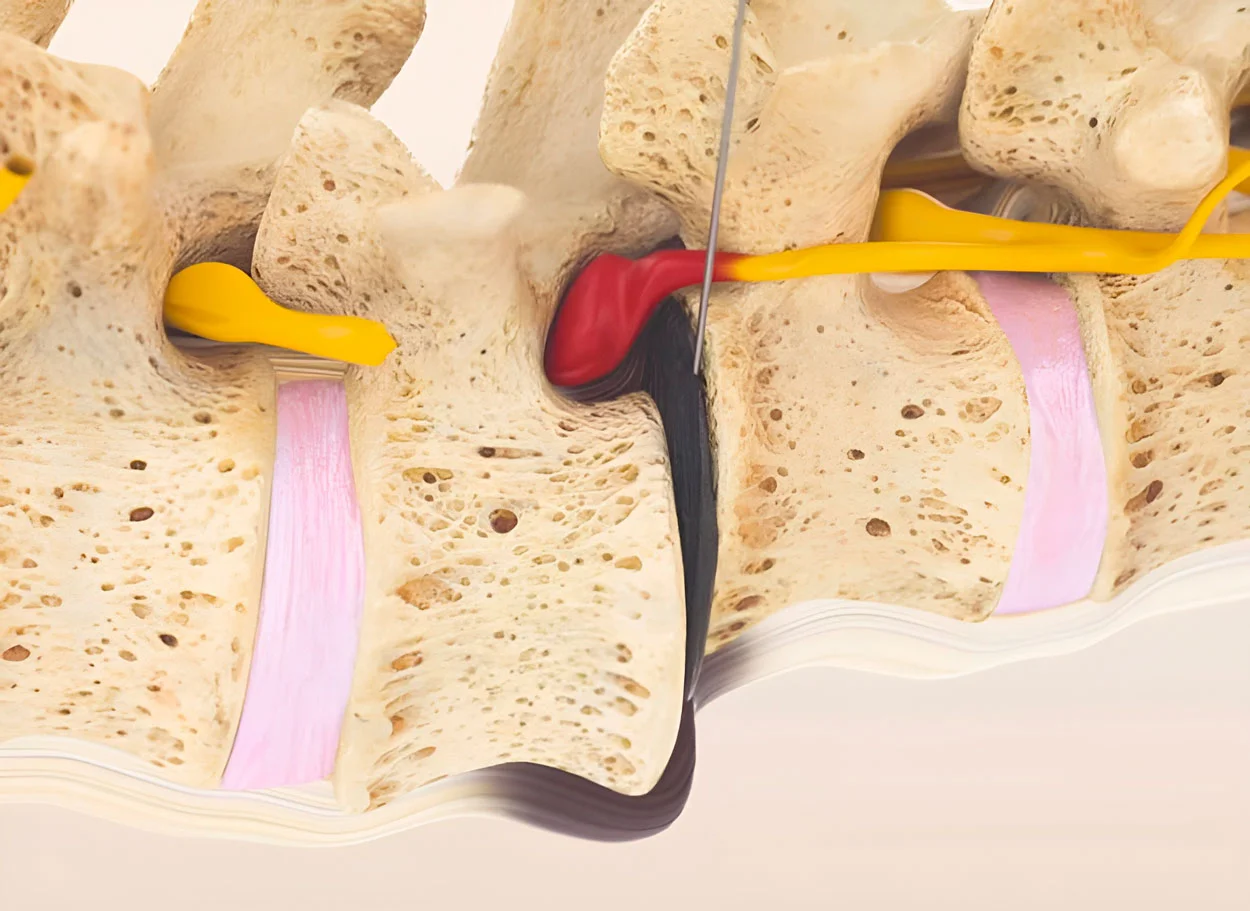
- What it treats: cartilage regeneration, intervertebral disc restoration, avascular necrosis
Level 4: Regenerative treatment (CGF + MFAT + Navigation)
A combination of the most powerful regenerative concentrates with precise navigational delivery:
- CGF + MFAT — double impact: growth factors plus stem cells
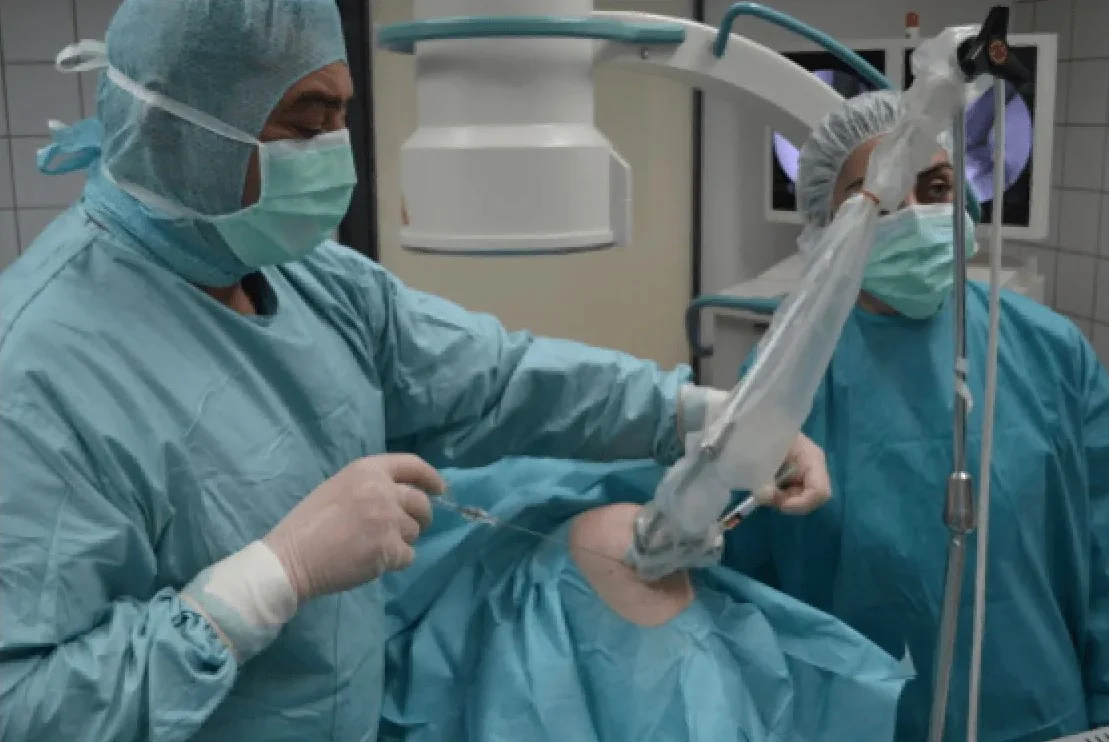
- Navigation system — 3D navigation based on MRI/CT for access point planning
- Ultrasound guidance — real-time ultrasound control for precise delivery
- Micro-puncture 0.3-1.5 mm — comparable to a syringe needle
Honest Method Comparison
| Parameter | PRP | CGF | Regenerative treatment |
|---|---|---|---|
| Growth factors | ×1 | ×5-10 | ×5-10 (CGF) |
| Stem cells | No | No | Yes (MFAT) |
| Navigation | Blind | Ultrasound | 3D + Ultrasound |
| Cartilage | Partial | Partial | Full regeneration (stages I-III) |
| Effect | 6-12 months | 1-2 years | Years (structural regeneration) |
What to Consider When Choosing a Clinic
- Cell source: autologous (own) vs allogeneic (donor). Own cells are always safer
- Processing method: mechanical (MFAT) vs enzymatic (SVF). Mechanical preserves structure
- Navigation: blind injection vs ultrasound vs 3D. Without navigation, up to 20% of injections miss the target
- Doctor's experience: how many procedures performed?
- Outcome control: do they perform follow-up MRI at 3-6 months?
Related Articles

Clinic and method matching — free of charge
Describe your case and attach your MRI report. We will identify clinics that use the relevant methods and forward your request to them. No obligation; we reply within two working days.
Send a request